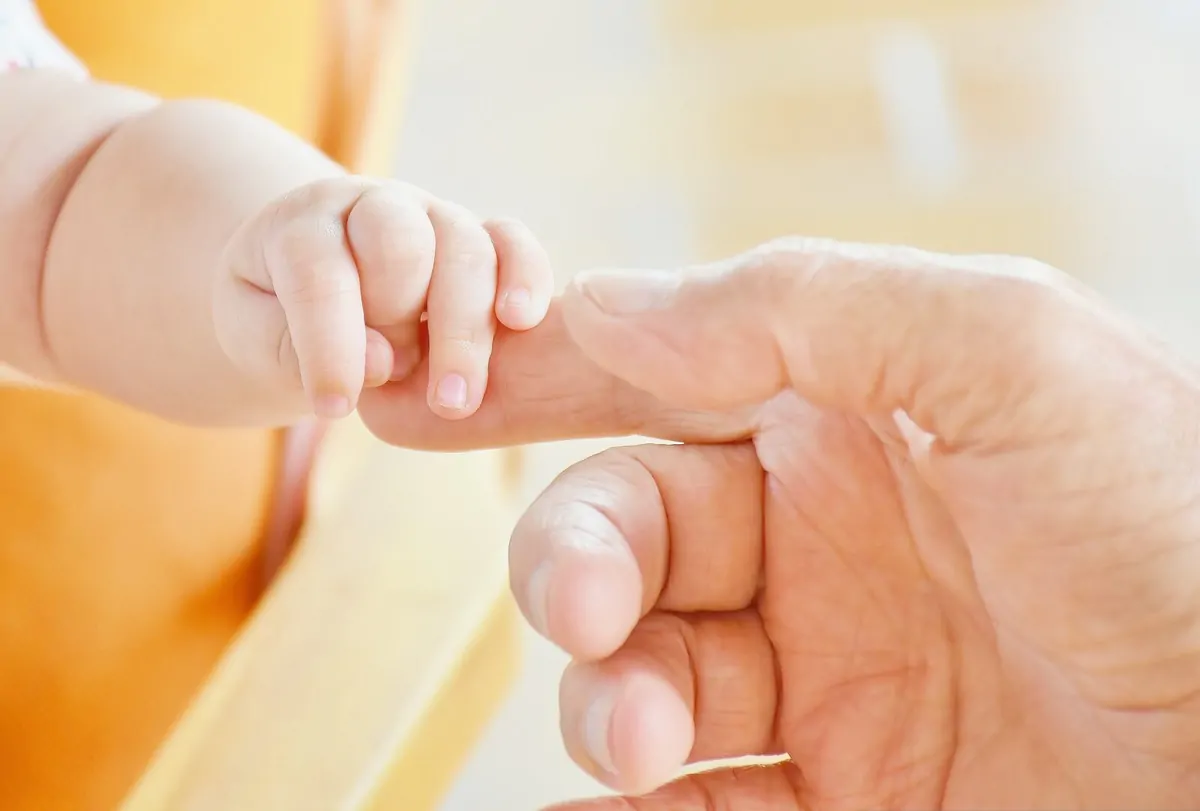
When a baby arrives in the family, health and caution inevitably become a higher priority than before. We carefully choose organic purees, sterilize bottles several times a day, and monitor the ingredients of every product that touches the child's skin.
Water suddenly becomes one of those products we also start keeping a close eye on—whether it is for preparing formula, for drinking, or for porridge. The advice passed down from generation to generation is seemingly simple:
"Just boil the tap water and it's ready to use."
This golden rule continues to dominate when it comes to water for babies. Pediatricians still recommend it, and our grandmothers wouldn't even consider another option.
However, science and the state of the environment have changed drastically today.
In the modern world, with its industrialization and aging infrastructure, boiling water solves only half the problem.
The water boils, and the parent is 100% convinced that the bacteria are dying one by one.
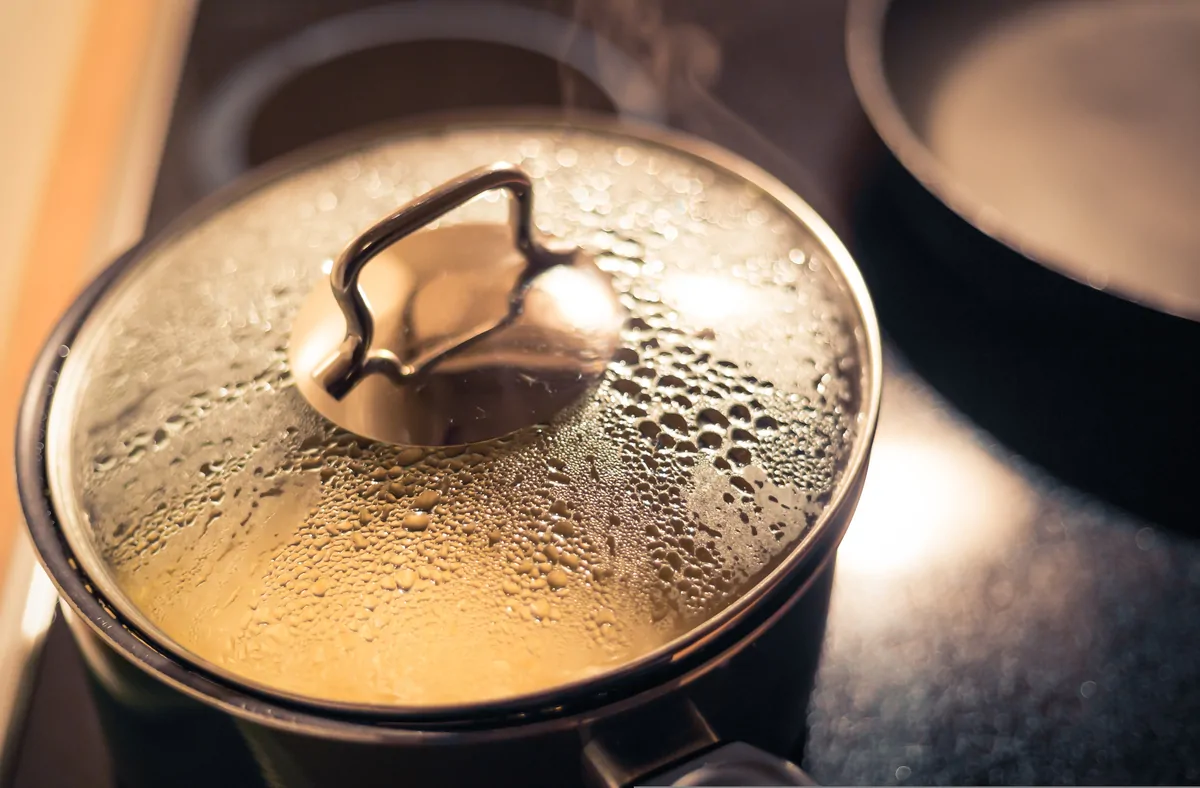
What does boiling water actually achieve?
Let's be objective: Boiling is a highly effective method for biological disinfection.
The World Health Organization (WHO) confirms that reaching a boiling temperature of 100°C is sufficient to neutralize almost all known pathogens. Water that boils vigorously for 1 to 3 minutes is free from bacteria like E. coli and Salmonella, viruses, and dangerous parasites.
In the past, when the main threats were waterborne infectious diseases, boiling saved millions of lives. It created real and reliable protection by killing living microorganisms.
Today, however, tap water hides threats that lack DNA.
They do not have cells that can be killed by hundred-degree water. They are chemical elements, compounds, and microparticles.
What exactly are they, and why do they stubbornly remain in the water after boiling?
Here are the main invisible enemies against which boiling is completely powerless:
-
Nitrates: These are a product of intensive agriculture and often seep into groundwater. Nitrates are not destroyed by heating. In babies under 6 months of age, they can cause a life-threatening condition called methemoglobinemia (or "blue baby syndrome"). Nitrates bind to the hemoglobin in the blood and prevent the transport of oxygen to the cells.
-
Heavy metals: The aging and corroded water supply network is a major source of secondary contamination. Lead, copper, zinc, and iron can leach from old pipes. Lead is extremely toxic to the developing nervous system of children and can lead to cognitive impairments, even at minimal doses. Heat does not affect metals.
-
Microplastics and "forever chemicals" (PFAS): According to recent studies, tap water worldwide contains microplastic particles and perfluoroalkyl substances (PFAS). These chemicals do not break down in nature, nor do they break down in the human body. Boiling has absolutely no effect on them.
When you put a pot of tap water on the stove and leave it to boil, a simple physical process occurs—part of the water evaporates as steam. What few parents realize is that during this evaporation, the volume of the liquid decreases, but the amount of chemicals, salts, and heavy metals dissolved in it remains exactly the same.
The result? The concentration of these dangerous substances in the water you use to make your baby's formula actually increases.
Let's also look at the organism of children and babies: Why are they so vulnerable?
Many people are guided by the logic, "I've been drinking this water my whole life and I'm fine, why would it be dangerous for a baby?" The answer lies precisely in their physiology.
Babies and toddlers are not just miniature adults with an adult's anatomy. Their bodies are developing at a tremendous pace, and their organs are not yet fully functional in the way we often assume them to be.
-
The kidneys of newborns are not mature enough to effectively filter high levels of minerals, salts, and toxins.
-
The blood-brain barrier, which protects the brain from harmful substances, is still not fully developed during the first months of life.
Furthermore, in proportion to its body weight, a baby consumes on average three to four times more water than an adult.
Consequently, the accumulation of harmful substances happens much faster than in an adult.
For the most fragile among us, water must be perfectly clean. And, as we have learned, boiling does not achieve this result.
Parents, realizing the risks of tap water, find alternatives. But what are their trade-offs?
From bottled baby water to table water and special filters. Although this is a step in the right direction, it comes with its own compromises that parents often do not realize:
-
Microplastics: Storing water in plastic bottles carries the risk of releasing microplastics and endocrine disruptors (such as phthalates) directly into the liquid. The problem worsens when the bottles have been exposed to sun and heat during transport and storage.
-
Burdensome logistics: Carrying heavy multipacks from the supermarket, the accumulation of plastic waste, and the constant expenditure of time and money.
In the long run, bottled water proves to be an unsustainable solution.
The solution comes down to completely eliminating the problem.
The answer to "What are we left with when both boiling and the alternatives are not optimal?" is changing the source itself.
Until now, we have relied on dependent water sources—reliant on a flawed plumbing network or on the logistics we can afford with the time we have.
But instead of trying to clean water that has traveled for kilometers through rusty pipes, or trusting plastic bottles without being certain of their origin and quality, we can now produce our own water.
Thanks to the innovative technology of Cup of Air, providing drinking water is neither complicated nor uncertain.
Atmospheric water generator systems extract moisture from the air, passing it through multi-stage filtration, including reverse osmosis and UV sterilization.
The result? Water that has never even touched groundwater nitrates or industrial heavy metals. It is free from microplastics and bacteria.
For parents, this means the end of worries by the stove. It means that every drop of water they use to prepare their child's milk, porridge, or tea is created on the spot, right before their eyes.
Because when it comes to the smallest and most vulnerable among us, uncompromising quality is a priority.

Sources:
https://iris.who.int/server/api/core/bitstreams/1b7a285e-3635-45dd-a1a9-6068c8fbe173/content
https://www.aap.org/en/patient-care/environmental-health/
https://www.cdc.gov/lead-prevention/prevention/drinking-water.html
https://pmc.ncbi.nlm.nih.gov/articles/PMC9103198/
https://www.nih.gov/news-events/nih-research-matters/plastic-particles-bottled-water