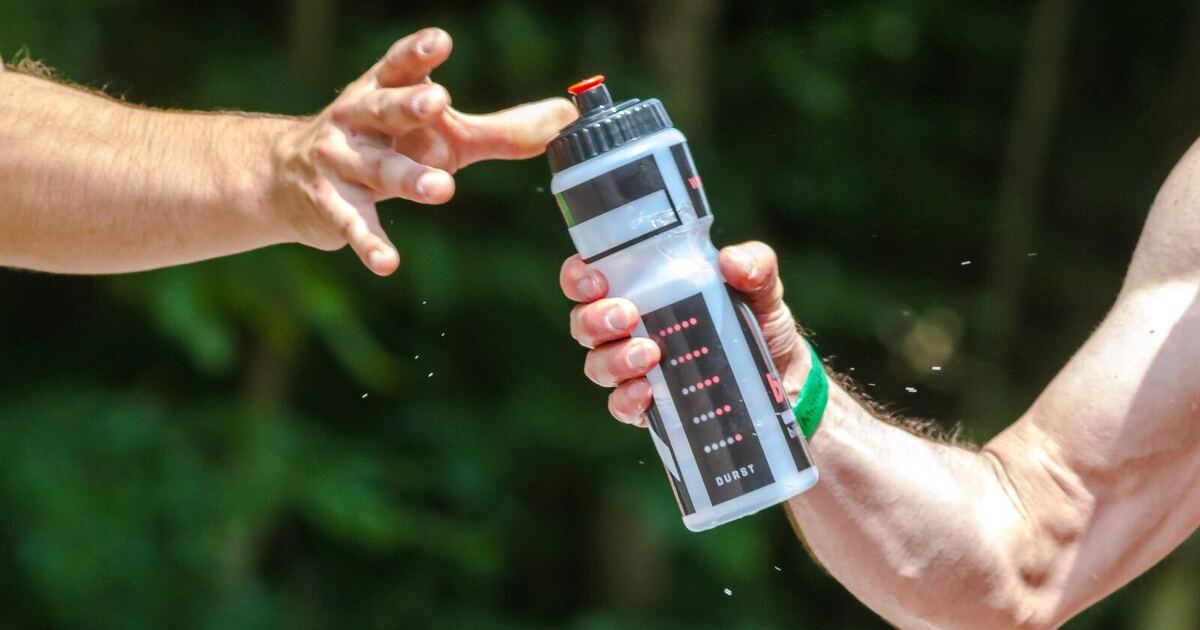
Cloudy, chlorinated, hard — tap water touches everything in fitness: from the taste of a protein shake to the lifespan of expensive boilers. Why does the industry still accept this compromise?
You train to a plan, track macros and drink protein after every session. Yet the shake has a strange aftertaste you drown with more cocoa. You feel bloated and heavy, and after months of discipline the mirror barely moves.
You start blaming the programme, the supplements, sleep. Few people look at the most-used “ingredient” in fitness — tap water.
We invest in equipment, supplements and coaches, yet treat water — the foundation of it all — as a given.
Water for protein shakes: why taste matters
Nearly 90% of a shake is water. That is why its quality shapes taste more than we assume.
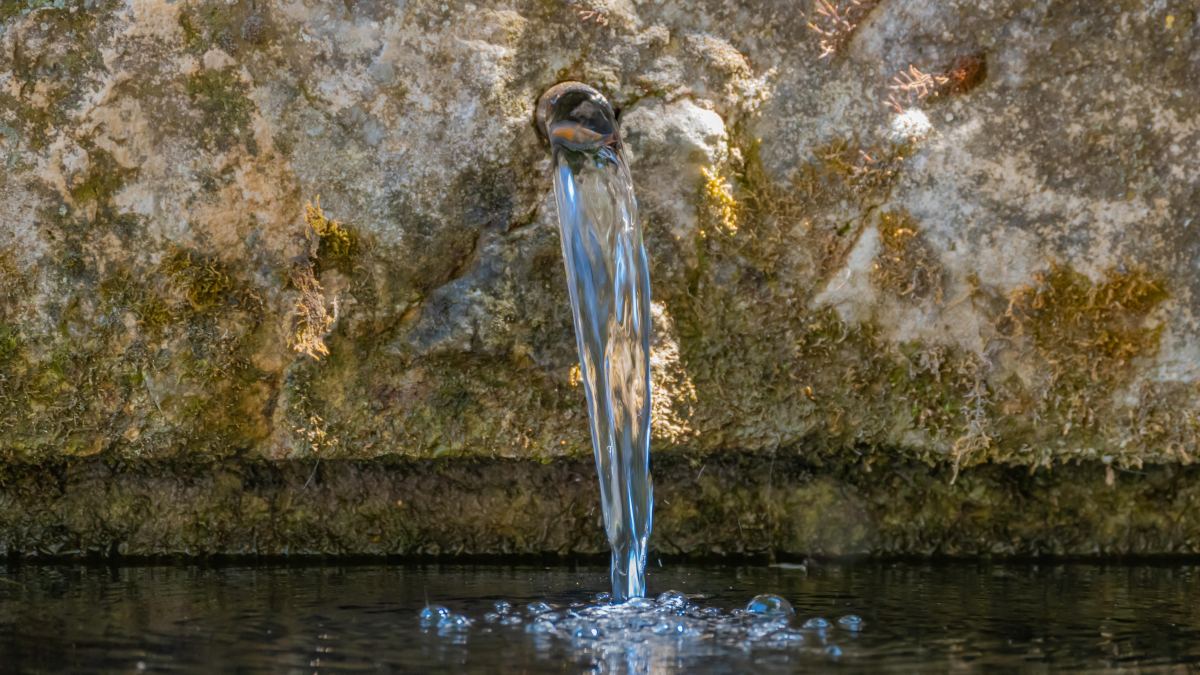
Chlorine used to disinfect municipal water leaves a “pool” aftertaste, especially with light flavours like vanilla. Iron from corroded pipes adds a metallic note. After an outage or planned shutdown, the tap can run cloudy and brown — rust and deposits coming loose.
The problem is recognised officially: Health Canada’s guidelines regulate chlorides, sulphates and total dissolved solids specifically to reduce taste and odour complaints. In a gym the outcome is predictable — members bring their own bottles or simply drink less.
Water’s role in bloating and stalled progress
Let’s be honest: bloating has many causes — lactose in some proteins, sweeteners, swallowed air. Tap water is not the only culprit, but it joins the story in three ways:
- Hydration: According to the American College of Sports Medicine (ACSM), fluid loss of about 2% of body weight or more can impair aerobic performance, especially in heat. When water tastes unpleasant, people drink less.
- Mineral composition: High sulphate levels, especially with magnesium, can cause stomach discomfort and a mild laxative effect — particularly for those unused to that water.
- Consistency: When the shake tastes bad, you skip it. Progress is built from dozens of small habits that bad taste quietly undermines.
Water will not “build” muscle for you. But without solid hydration, everything else works less well.
Gym boilers: the hidden cost of limescale
A gym is a huge water consumer: showers, saunas and steam rooms, towel laundry, dishwashers for shakers, ice machines, coffee machines at the bar. Almost all of that heats water.
When heated, calcium and magnesium in hard water crystallise as limescale. As we have covered in earlier articles, Water Quality Association and Battelle Memorial Institute data show hard-water boilers can lose up to 48% of energy efficiency, and their lifespan can shrink by up to 50%. A boiler that runs from morning until late evening takes far more abuse than a home unit.
The bill shows up in several places:
- Higher electricity and gas costs
- Frequent service calls and early replacement of expensive equipment
- Up to 30% more detergent for towels and shakers
- Spots on glass and mirrors that undermine the sense of cleanliness
The industry has found a half-measure. Many clubs compensate with filters or cases of bottled water.
Activated-carbon filters mainly improve taste and odour, but clog quickly with cloudy water — and a poorly maintained filter can become a breeding ground for bacteria.
Bottled water means plastic waste, storage space and a cost that grows with every new member. In both cases the compromise remains — it is only relocated.
Cup of Air — a solution for gyms and athletes
Atmospheric water generators produce water on site — from humidity in the air. It never touches chlorinated municipal water, contains no calcium or magnesium salts, and passes through multi-stage filtration and UV disinfection.
What a fitness business gains:
- Clean-tasting shakes: Protein tastes the way the manufacturer intended — without chlorine or a metallic note. The bar with shakes, coffee and iced tea becomes a club strength.
- Longer life for sensitive appliances: Coffee machines, ice makers and heaters at the bar run on scale-free water — less descaling and fewer service visits.
- Independence from outages: The generator needs electricity, not the water network — a supply cut does not leave the club without drinking water.
- Fewer bottles and less logistics: Water is produced where it is drunk.
- Clear positioning: A wellness club that sells body care and can prove care starts with water.
We offer a range of models that can meet the needs of gyms of any size and visitor volume.
We understand that water is part of the result. Progress in the gym is the sum of small decisions — programme, sleep, nutrition, supplements. Water is present in each of them: in the shake, in the glass, in the coffee, in the shower.
A fitness business that accepts the compromise with water pays for it — in taste, in bills and in trust.
Cup of Air — where there is air, there is a way to make water.
Sources
- Sawka, M. N., Burke, L. M., Eichner, E. R., Maughan, R. J., Montain, S. J., & Stachenfeld, N. S. (2007). American College of Sports Medicine position stand. Exercise and fluid replacement. Medicine & Science in Sports & Exercise, 39(2), 377–390. PubMed ID: 17277604
- Health Canada. Guidelines for Canadian Drinking Water Quality: Operational Parameters (aesthetic objectives for chloride, sulphate and TDS). canada.ca
- Water Quality Association; Battelle Memorial Institute. Softened Water Benefits Study. masterwater.com
- World Health Organization. Hardness in drinking-water: Background document. who.int
- NSF International. NSF/ANSI 42, 53 and 401: Filtration Systems Standards. nsf.org